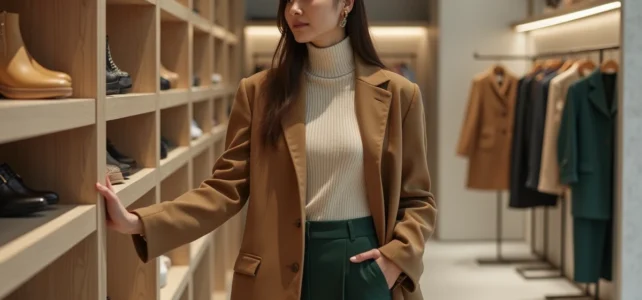
Fashion trends are no longer limited to an annual runway show followed by a store rollout six months later. The pace of collection renewal has fragmented into short capsules, limited micro-drops of a few pieces, and stylistic crossovers that blur the lines between wardrobes. Understanding these mechanisms helps in making sustainable clothing choices rather than chasing every new item.
Micro-drops and limited capsules: the new fashion calendar
The classic spring-summer / autumn-winter format still structures the major fashion houses, but an increasing share of fashion novelties now comes through ultra-limited micro-drops. These capsules of a few pieces, available for a few days or weeks, redefine the notion of season.
This phenomenon particularly affects luxury streetwear and brands born online (DNVB). The logic is simple: offer fewer pieces, more often, with a sense of rarity that encourages quick decision-making. The result, for those following trends, is a fragmented calendar where new items arrive in irregular waves.
This fragmentation has a practical consequence on how to build a wardrobe. Waiting for sales or the end of the season to spot key pieces becomes less relevant when the item in question exists for only ten days. Following Clarity News fashion articles allows you to spot these releases as they happen rather than discovering them after stock has run out.
Hybrid silhouettes: when two opposing aesthetics coexist
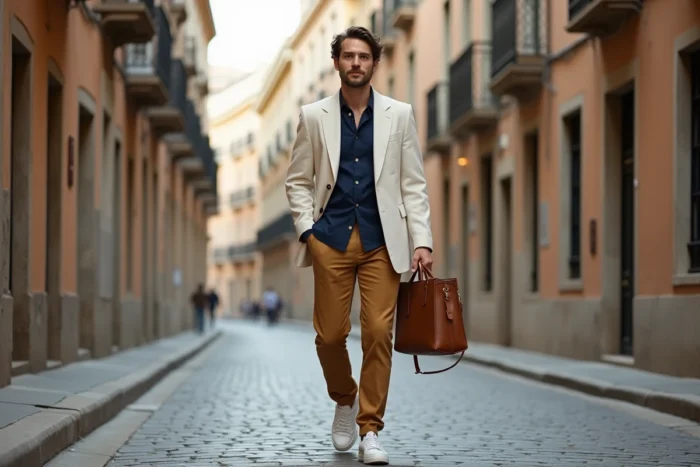
Trend guides for 2026 confirm a phenomenon that goes beyond simple style mixing. Two stylistic universes that seem incompatible coexist in the same wardrobe, sometimes even in the same outfit.
On one side, a neo-bourgeois aesthetic, often labeled “old money”: structured suits, neutral colors, classic silhouettes. On the other, a luxury streetwear wardrobe tinged with Y2K references, featuring neon colors and metallic materials.
How this coexistence translates concretely
The typical hybrid silhouette combines pieces from opposing registers. Here are some combinations observed in the latest seasons:
- A straight-cut suit worn with chunky-soled sneakers and bright color accents, breaking the formal register from the bottom of the outfit.
- A satin dress paired with a streetwear jacket, creating a contrast of texture between fluid and technical.
- A barrel jean (wide and rounded cut, a confirmed trend for spring-summer 2026) worn with a classic shirt and metallic accessories.
This crossover is not a wardrobe accident. It reflects an approach where personal style takes precedence over the coherence of a single register. Adopting it means having a few key pieces in each universe rather than betting on a total look.
Colors and prints for the autumn-winter 2026-2027 season
The palettes proposed for autumn-winter oscillate between two poles. The first remains anchored in neutral and earthy tones, consistent with the neo-bourgeois aesthetic described above. The second leans towards saturated shades, inherited from Y2K and streetwear influences.
Butter yellow, already spotted in spring-summer 2026, continues its progression into the cold season. This color works well on both an oversized sweater and a cropped jacket, two pieces that are among the confirmed trends of the year.
Technical materials and classic fabrics in the same wardrobe
The influence of athleisure on textile constructions has changed the speed of novelty renewal. Trend forecasting analyses (notably those from Heuritech for 2026) show that technical materials are now integrating traditionally formal pieces.
A blazer can adopt a stretch fabric from sportswear. A cold-season dress can incorporate waterproof finishes. These technical transfers between clothing categories explain why some pieces feel familiar in their cut but surprise in touch.
Adopting fashion trends without renewing your entire wardrobe
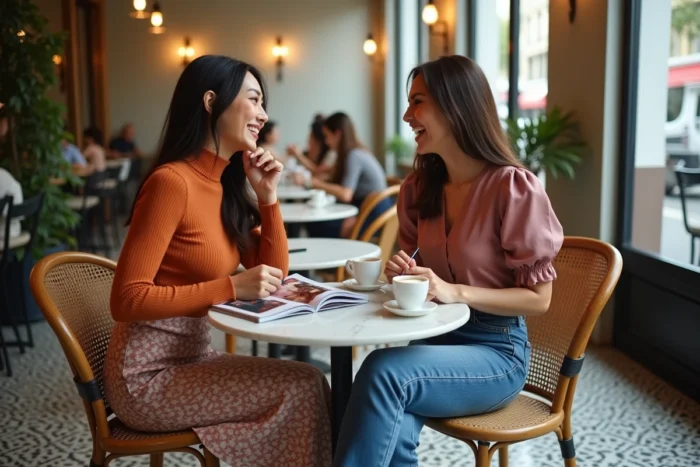
Faced with a fragmented calendar and overlapping aesthetics, the temptation for constant renewal exists. A more effective approach is to identify pieces that serve as a pivot between multiple looks.
The jean remains the ultimate pivot piece. The barrel cut, wide and slightly tapered at the bottom, stands out as the current denim silhouette. It works with both a suit and a hoodie, making it compatible with the two dominant registers of the season.
Mid-season dresses are another pivot. A dress in a neutral color transforms according to the accessories: flats and a structured bag lean towards the classic register, while a pair of sneakers and a cropped jacket push it towards streetwear.
The real question before each purchase is not “Is this piece trendy?” but “How many existing outfits does this piece work with?” A fashion novelty that only pairs with one look has a very short lifespan in a wardrobe.
The most sustainable trends of recent seasons share a common point: they do not replace basics, they complement them. The oversized sweater, beige pants, and colorful cropped jacket are all pieces that add to an existing wardrobe without making it obsolete. This is probably the best filter to distinguish an adoptable trend from a mere passing fashion effect.